Post-construction cleaning is the most technically demanding work in the cleaning industry, and it is routinely underestimated by everyone involved. It is not a very thorough house clean. It is dust remediation, surface protection removal, adhesive and paint removal, and detail finishing, performed in an environment where the wrong cloth on the wrong surface causes permanent damage.
Contractors, builders and homeowners across the Bay Area all encounter the same problem: the space looks clean, then two days later every horizontal surface is grey again. This guide explains why that happens and how the three-phase professional process prevents it.
Why drywall dust behaves differently
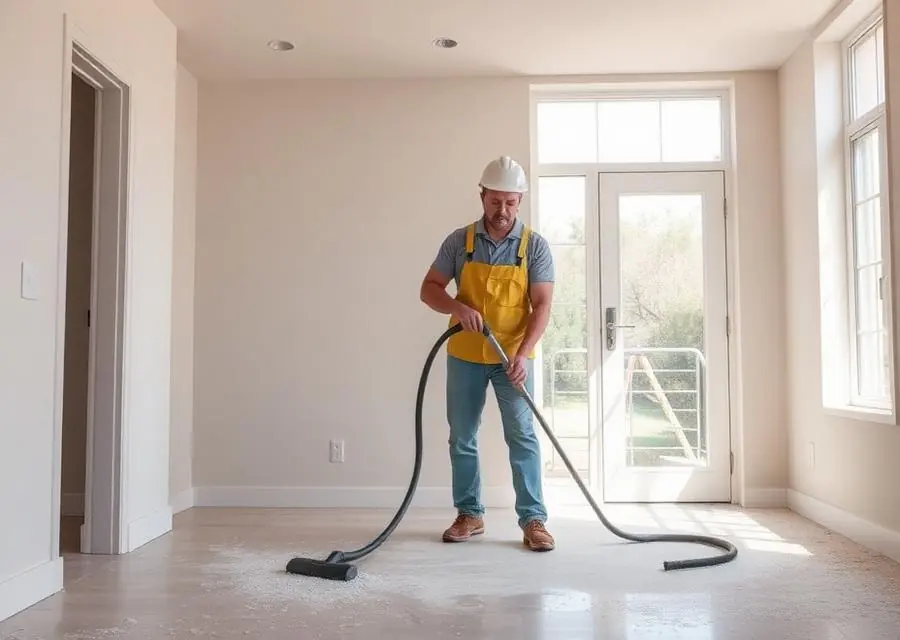
Drywall dust is gypsum ground to particles far finer than household dust, and a substantial fraction of it stays airborne for hours after being disturbed. It penetrates every cavity in a building: HVAC ducts, electrical boxes, window tracks, cabinet interiors, light fixtures, the tops of door casings and the gaps between flooring boards.
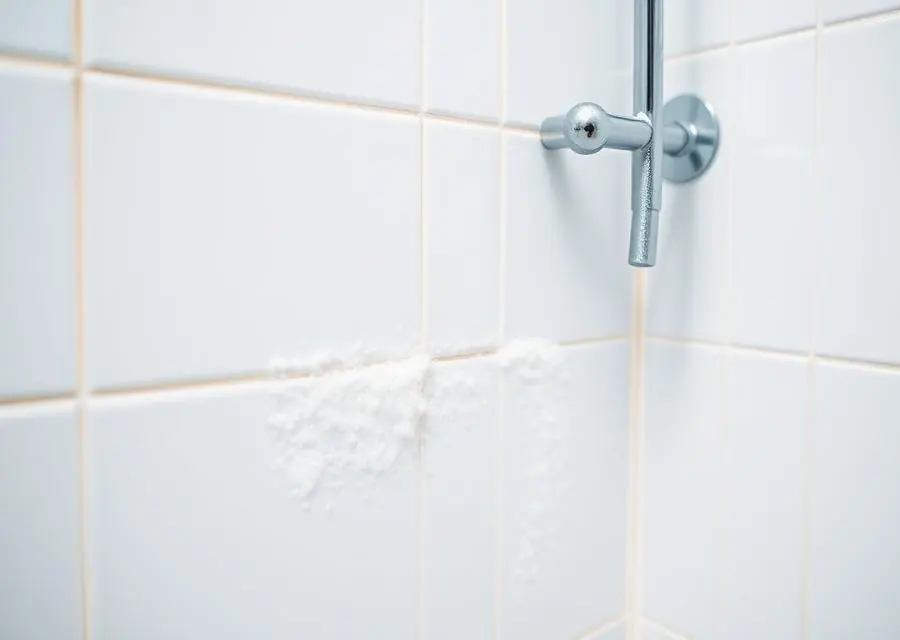
It also reacts with water. Wiping drywall dust with a wet cloth turns it into a thin paste that smears and, on glass and finished surfaces, dries into a haze that is far harder to remove than the original dust. This single property is why untrained cleanup produces cloudy windows and streaked cabinetry, and why professional crews always dry-remove before any moisture is introduced.
Phase one: the rough clean
The rough clean happens after framing, drywall, and mechanical rough-in are complete but before finishes go in. Its purpose is debris removal so trades can work safely and efficiently: offcuts, packaging, nails and screws, buckets and scrap are removed, floors are swept and shop-vacuumed, and large surfaces are cleared.
This phase is about site safety and productivity, not appearance. Skipping it drags debris into finish work and creates the scratches and dents that the final clean cannot fix. Contractors who schedule a rough clean consistently report fewer punch-list items at handover.
Phase two: the final clean
The final clean is the main event and happens after all trades are finished. It follows a strict top-to-bottom sequence: ceilings, light fixtures and fans, then walls, then upper cabinetry, then windows, then lower cabinetry and fixtures, then baseboards, and floors last. Cleaning floors early guarantees a second full pass.
The work itself is detailed and specific: HEPA vacuuming of every surface including inside cabinets and drawers, removal of stickers and manufacturer labels from appliances, windows and fixtures, scraping of paint, caulk, adhesive and grout haze from glass and tile using the correct blade angle, cleaning of window tracks and sills, wiping of every switch plate and vent, polishing of fixtures, and full floor treatment appropriate to the material.
- HEPA vacuum everything, including cabinet and drawer interiors
- Remove all labels, stickers and protective film
- Scrape paint, caulk, adhesive and grout haze from glass and tile
- Clean HVAC vents and replace filters saturated with construction dust
- Detail window tracks, sills and frames
- Floor treatment matched to the material: sealed, unsealed, LVP, tile, hardwood
Phase three: the touch-up clean
Two to five days after the final clean, residual airborne dust settles out of the air and out of the HVAC system onto clean surfaces. The touch-up clean captures that settling layer and addresses any marks created by punch-list work, furniture delivery or final inspections.
Homeowners frequently decline this phase to save money and then conclude the final clean was substandard. It was not — this is simply how fine particulate behaves in an enclosed building. The touch-up is short, inexpensive relative to the final clean, and it is what makes a project actually feel finished.
Surface-specific risks
New finishes are more fragile than they look, and construction cleanup is where most avoidable damage happens. New grout should cure for the manufacturer's stated period before aggressive cleaning. Natural stone must never meet acidic cleaners, which etch permanently. Brushed and matte fixtures scratch under abrasive pads. Unsealed hardwood cannot take standing water.
Glass requires particular care: dust embedded in the surface will scratch under a dry cloth, so glass is flooded, squeegeed and only then detailed. Razor scraping is done wet, at a shallow angle, and never on tempered glass with surface fabrication debris. A crew that cannot explain these distinctions will leave marks that outlast the project.
HVAC and air quality after construction
The HVAC system is the most commonly overlooked part of construction cleanup. If the system ran during construction, ducts contain drywall dust that will redistribute for months. Filters should be replaced, vent covers removed and washed, and full duct cleaning considered for major renovations or any project where the system operated without protection.
Air scrubbers with HEPA filtration running during and after the final clean dramatically reduce the settling layer and shorten the gap before the space is genuinely usable. For occupied-home renovations, negative air containment during work is the difference between cleaning one room and cleaning the entire house.
Timing, pricing and scheduling
Post-construction cleaning is usually priced per square foot, commonly $0.30 to $0.75 for a final clean depending on debris level, finish complexity and window count, with rough cleans and touch-ups quoted separately. Whole-home renovations and new builds are typically bid after a walkthrough.
Schedule the final clean after every trade is finished, including punch list, and build in two to three days before move-in or photography for the touch-up. Compressing that timeline is the most common reason a beautiful project photographs badly.
Working with a construction cleanup crew
Ask about insurance limits, experience with your specific finishes, whether they use HEPA equipment, how they handle debris disposal, and whether the quote covers all three phases or only the final clean. Ask for the sequence they will follow — a crew that answers "top to bottom, floors last" without hesitation has done this before.
We handle rough, final and touch-up cleaning for contractors, builders and homeowners across San Jose and the Bay Area, with HEPA equipment, finish-appropriate methods and scheduling that fits a construction calendar. Send project square footage, finish types and target handover date for a written bid.
Frequently asked
Quick answers
Why does dust return after a post-construction clean?
Fine drywall particulate stays airborne for days and settles gradually, especially once HVAC runs. That is exactly what the touch-up clean two to five days later is for.
How much does post-construction cleaning cost?
Typically $0.30 to $0.75 per square foot for a final clean, with rough cleans and touch-ups priced separately. Finish complexity and window count drive the range.
When should the final clean be scheduled?
After all trades and punch-list work are complete, and two to three days before move-in or photography so the touch-up can catch settled dust.